
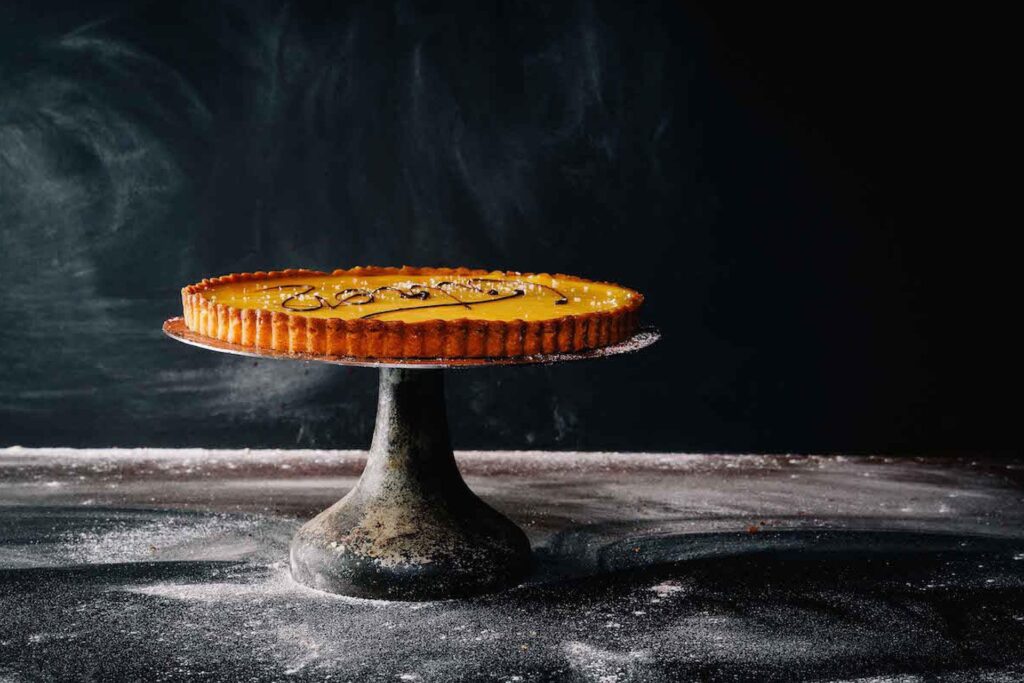
Great desserts are remembered not only for their flavor but also for how they look when served. Presentation plays a powerful role in the dining experience, and even simple homemade sweets can feel more special when plated with care. Fortunately, creating beautiful dessert plates does not require professional culinary training. With a few thoughtful techniques, anyone can transform everyday desserts into something visually impressive.
Many home bakers spend time perfecting recipes but overlook presentation. A brownie, cookie, or slice of cheesecake might taste incredible, yet placing it on a plate without any visual balance can make it appear ordinary. A little attention to color, arrangement, and garnish can completely change how a dessert is perceived.
The goal of dessert plating is not to make food complicated or overly decorative. Instead, it is about highlighting the dessert in a way that makes it feel inviting and appealing.
Start With the Right Plate
The plate itself can influence how the dessert is presented. Choosing a plate that contrasts with the dessert often creates the most striking visual effect.
For example:
- Dark chocolate desserts stand out beautifully on white plates
- Light desserts such as cheesecake work well on darker plates
- Wide plates give more room for creative presentation
Giving the dessert space on the plate allows it to become the centerpiece. Crowding too many elements together can make the presentation feel messy rather than elegant.
A simple slice of cheesecake, for instance, instantly looks more refined when placed slightly off-center with a small garnish or sauce nearby. Desserts like The Irresistible Charm of Cheesecake already have a naturally elegant appearance, so plating them thoughtfully helps highlight their creamy texture and rich flavor.
Use Simple Garnishes
Garnishes should complement the dessert rather than overpower it. The best garnishes add color, texture, or flavor without distracting from the main element on the plate.
Some easy garnish ideas include:
- Fresh berries for color and freshness
- A light dusting of powdered sugar
- A small sprig of mint
- Chocolate shavings or curls
- Crushed nuts for texture
These additions require very little effort yet make a dessert appear more polished and thoughtfully prepared.
Add Sauces for Visual Interest
Sauces are one of the easiest ways to elevate dessert presentation. A drizzle or small pool of sauce adds both flavor and visual contrast.
Popular dessert sauces include:
- Chocolate sauce
- Caramel sauce
- Berry coulis
- Vanilla cream sauce
Rather than pouring sauce directly over the dessert, consider placing it beside the dessert or lightly drizzling it across the plate. This technique keeps the dessert visually clean while still adding an appealing touch.
Rich desserts such as How to Make Decadent Chocolate Brownies at Home look especially inviting when paired with a chocolate drizzle or a scoop of vanilla ice cream. The contrast between the dark brownie and the lighter elements creates a visually balanced plate.
Keep the Design Simple
One of the most common mistakes in dessert plating is trying to do too much. Professional chefs often follow the principle that less is more. A single dessert with one or two complementary elements usually looks far better than a plate filled with too many decorations.
Consider these simple plating approaches:
- Place the dessert slightly off-center to create visual movement
- Use one garnish and one sauce rather than several different elements
- Leave empty space on the plate to keep the design clean
- Choose colors that contrast naturally with the dessert
These small decisions help create a presentation that feels intentional and elegant.
Practice and Experiment
Like any skill in the kitchen, plating desserts becomes easier with practice. The more you experiment with different arrangements and garnishes, the more confident you will become in presenting your creations.
One of the best ways to learn is by observing how restaurants present desserts and adapting those ideas at home. Over time, you will develop a personal style that reflects both your creativity and the desserts you enjoy making.
Beautiful presentation does not require complicated techniques or expensive ingredients. With thoughtful placement, simple garnishes, and a little creativity, even the most familiar desserts can feel elevated and memorable when they arrive at the table.