
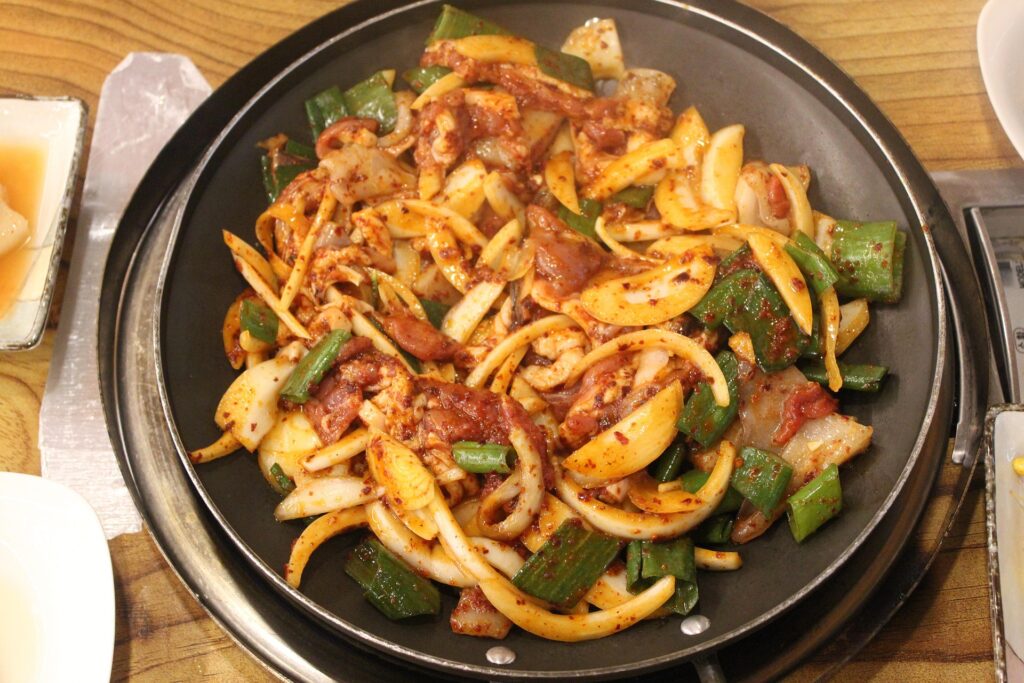
Vegetarian meals can be exciting, flavorful, and surprisingly easy to prepare. Many people assume that cooking without meat is limiting or complicated, but the truth is that plant-based meals offer endless possibilities. By focusing on fresh vegetables, grains, legumes, and simple cooking techniques, you can create meals that are satisfying, healthy, and full of flavor.
One of the biggest advantages of vegetarian cooking is variety. Vegetables alone provide countless flavors, textures, and colors that can make meals visually appealing and nutritious. Roasting, grilling, steaming, or sautéing vegetables can transform simple ingredients into dishes that feel special without much effort. Adding herbs, spices, and light sauces further enhances flavors.
Protein is another consideration when preparing vegetarian meals. Beans, lentils, chickpeas, quinoa, and tofu are all excellent sources of protein that also supply fiber and other nutrients. These ingredients can be used in soups, salads, grain bowls, and stir-fries to create balanced, filling meals.
Cooking at home gives you complete control over ingredients and preparation. Even dishes traditionally focused on meat can be adapted to a vegetarian-friendly version by swapping proteins and adding flavorful vegetables. This approach encourages creativity in the kitchen and helps you discover new favorite meals.
For example, comfort meals like pasta dishes or baked casseroles can be made plant-forward while remaining satisfying. If you enjoy learning new cooking techniques, checking out how to make the perfect salmon dinner can inspire ideas for seasoning and balancing flavors in your vegetarian meals. While the dish is seafood-based, the techniques translate well to vegetable or plant-protein-focused dishes.
Another useful resource for vegetarians is exploring perfect steak dinner at home recipes. Even though these dishes are meat-based, they teach techniques like proper roasting, seasoning, and timing, which can be applied when cooking vegetables or plant-based proteins to achieve rich flavors and textures.
Meal planning is also a key habit for successful vegetarian cooking. Planning a few meals each week helps reduce the reliance on processed foods or last-minute takeout. Keeping a variety of fresh vegetables, legumes, and grains on hand makes it easy to prepare quick and balanced meals any day of the week.
Vegetarian cooking also offers a budget-friendly advantage. Beans, lentils, rice, and seasonal vegetables are often very affordable and versatile, allowing you to create filling and nutritious meals without spending a lot. With a few staple ingredients, you can rotate meals and maintain variety without feeling restricted.
Ultimately, the key to enjoyable vegetarian cooking is experimenting with ingredients and preparation methods. Trying new vegetables, herbs, and combinations encourages creativity and makes plant-based meals exciting rather than repetitive. Over time, these simple habits and techniques can transform your cooking routine, making vegetarian meals a regular and satisfying part of your diet.
By focusing on fresh ingredients, balanced nutrition, and simple preparation, vegetarian meals can be both delicious and easy to make. Whether you are fully vegetarian or simply adding more plant-based meals into your week, cooking with vegetables opens endless possibilities in the kitchen.