
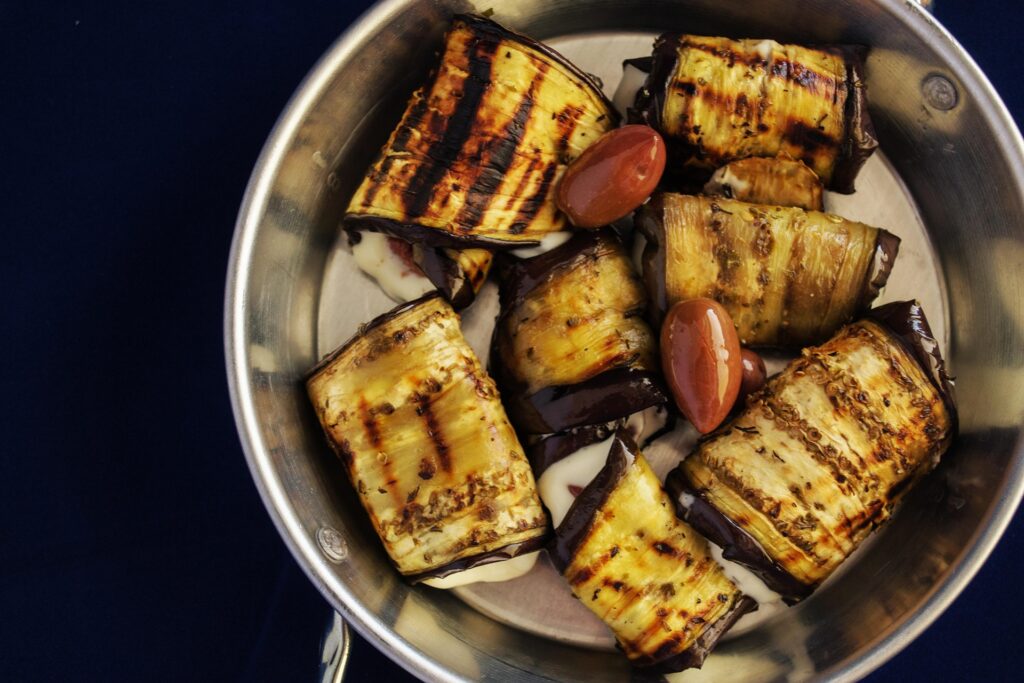
Vegetarian meals have become increasingly popular as more people look for healthier and more sustainable ways to eat. Whether someone follows a fully vegetarian lifestyle or simply wants to reduce the amount of meat they consume, plant based meals can be both satisfying and full of flavor. The key is learning how to build meals that are balanced, nutritious, and enjoyable to cook.
One of the biggest misconceptions about vegetarian cooking is that meals will feel incomplete without meat. In reality, vegetables, grains, legumes, and dairy products can easily provide the nutrients and satisfaction needed for a full meal. When combined properly, these ingredients can create dishes that are rich in flavor, texture, and nutrition.
Protein is often the first concern people have when transitioning to more vegetarian meals. Fortunately, many plant based foods are excellent sources of protein. Beans, lentils, chickpeas, tofu, quinoa, nuts, and seeds can all contribute to a balanced diet. These ingredients not only provide protein but also offer fiber and important vitamins that support overall health.
Another important element of vegetarian cooking is using a wide variety of vegetables. Different vegetables provide different nutrients and flavors, so including a colorful mix helps create both visually appealing and nutritious meals. Roasted vegetables, grilled vegetables, and fresh salads can easily become the centerpiece of a satisfying dish.
Cooking methods also play a large role in bringing out the best flavors in plant based ingredients. Roasting vegetables with olive oil, garlic, and herbs can completely transform their taste and texture. Simple techniques like sautéing onions and garlic at the beginning of a dish can add depth and richness to many vegetarian recipes.
Even for people who are not fully vegetarian, adding more plant based meals into the weekly routine can provide variety and balance. Many traditional dishes can easily be adapted to include more vegetables while reducing meat portions. Cooking at home allows you to experiment with ingredients and find combinations that work best for your tastes.
For example, hearty pasta dishes can easily be made vegetarian by focusing on rich sauces, roasted vegetables, and high quality cheeses. If you enjoy preparing comforting meals at home, learning how to master the art of homemade lasagna can be a great starting point. By layering pasta with vegetables such as spinach, mushrooms, and zucchini, you can create a flavorful dish that feels just as satisfying as traditional meat versions.
Vegetarian meals can also pair well with lighter protein options when someone wants flexibility in their diet. Seafood is often used in balanced meal plans because it provides beneficial nutrients and healthy fats. Preparing fish alongside vegetable heavy sides is a great way to maintain variety in your weekly cooking. If you are looking for an easy meal that pairs beautifully with vegetables and grains, learning how to make the perfect salmon dinner can provide a simple and nutritious option that fits well into a balanced approach to cooking.
Another benefit of vegetarian cooking is the creativity it encourages in the kitchen. Without relying on meat as the center of every meal, cooks often explore new spices, herbs, and cooking techniques. This experimentation can lead to discovering new favorite dishes and ingredients that might otherwise be overlooked.
Vegetarian meals can also be surprisingly budget friendly. Beans, lentils, rice, and seasonal vegetables are often very affordable ingredients that can be used in a wide range of recipes. With a few staple ingredients in the kitchen, it becomes easy to create healthy and satisfying meals without spending a lot of money.
By focusing on fresh ingredients, balanced nutrition, and simple cooking techniques, vegetarian meals can become a delicious and regular part of your routine. Whether you are fully vegetarian or simply looking to add more plant based dishes to your diet, these meals offer endless possibilities for creativity and flavor.